)
Sustainable business
27.07.2026
Webinar recap: How businesses can build a credible biodiversity investment strategy
Earthly brought together Lorienne Whittle, Rewilding Landscapes Manager at Nattergal ; Siobhan Stewart, Head of Delivery at …

)
(often abbreviated as NbS) are relevant actions that protect, restore, or sustainably manage ecosystems to address real operational and sustainability challenges, while also delivering benefits for biodiversity, climate and people.
The world is facing an accelerating crisis of climate change and biodiversity loss. According to the
, approximately 1 million species are at risk of extinction, over 75% of the land has been significantly altered by human activities, and wetlands are disappearing three times faster than forests.
In response to these escalating pressures, embracing nature-based solutions helps restore degraded ecosystems while rebuilding planetary health. Businesses are also recognising that because they both depend on - and influence - natural systems, they have an important role to play in reversing ecosystem decline while strengthening their own long-term growth.
Nature-based solutions for businesses are actions that companies take to help protect, restore, or sustainably manage ecosystems in ways that reduce risk and support long-term resilience. They recognise that healthy forests, soils, wetlands, and oceans are not just environmental assets, but systems that strengthen stable supply chains, water security, and economic performance.
In practice, this can include protecting forests linked to sourcing, restoring degraded landscapes, investing in watershed protection, or supporting regenerative agriculture. As climate and biodiversity pressures intensify, nature-based solutions are becoming practical tools for businesses to safeguard both nature and their own future stability.
Nature loss and climate change are no longer distant environmental concerns - they are also emerging financial and operational risks. Supply chain disruptions, water scarcity, soil degradation, and extreme weather events are increasing costs and volatility across sectors.
At the same time, regulatory frameworks and investor expectations are evolving, with initiatives such as the
pushing companies to assess and disclose their exposure to nature-related risks.
As
is moderately or highly dependent on nature, businesses are recognising that ecosystem degradation directly affects long-term performance. Nature-based solutions are therefore gaining attention not only as sustainability commitments, but as strategies to manage risk, build resilience, and protect future value.
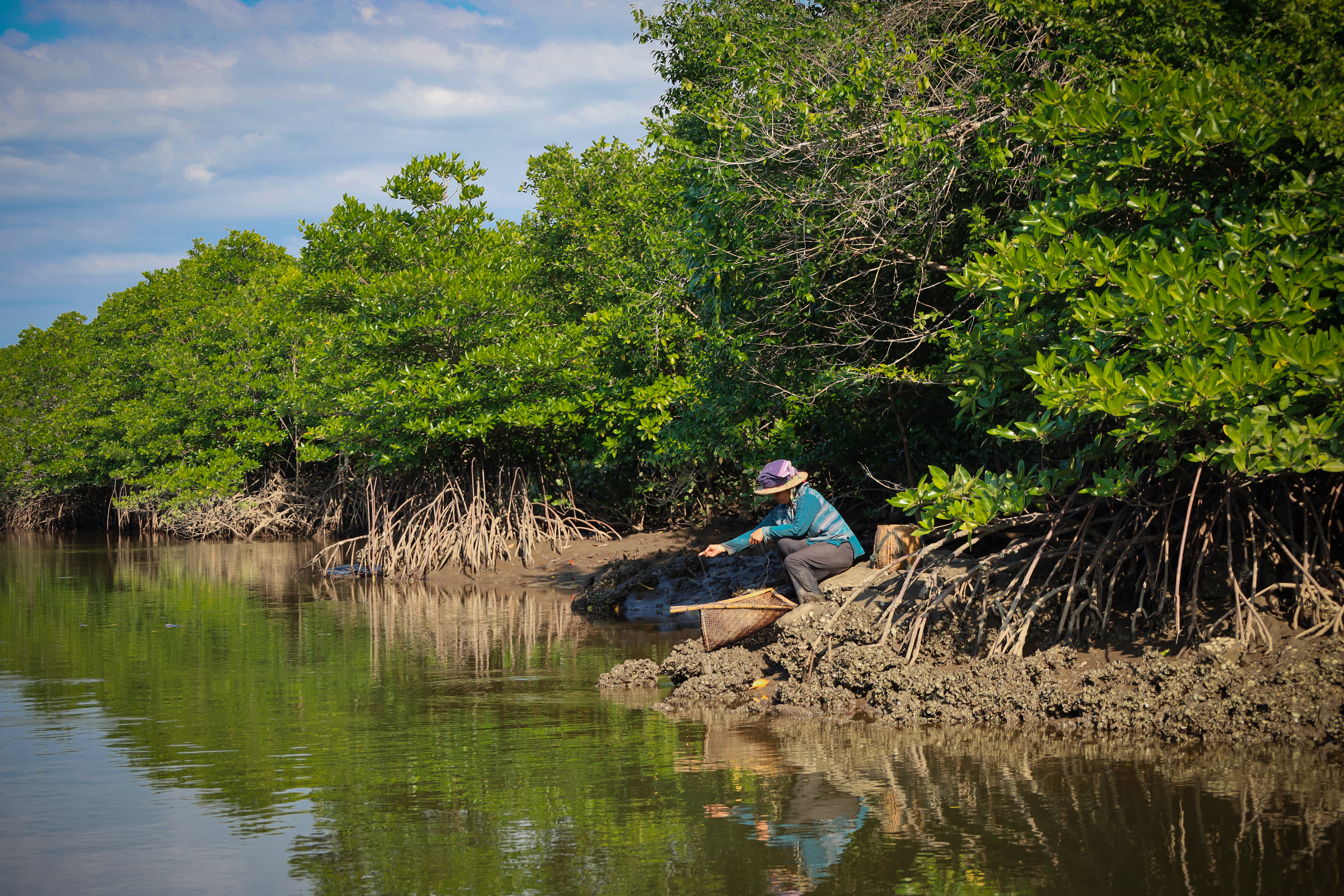
High-quality NbS projects could mitigate up to 10 gigatonnes of CO2 per year, representing roughly 27% of current global annual emissions - UNEP.
Nature-based solutions work by supporting and strengthening existing ecosystems such as forests, peatlands, wetlands, grasslands, and freshwater systems. Protecting intact ecosystems is often the highest-impact intervention, because once degraded, they are costly and complex to restore.
A striking example of this principle in action comes from the Czech Republic, where a family of beavers built a dam and created a wetland in a former army training area - completing, at no cost and in a matter of weeks, what humans had planned and stalled for seven years. Their activity not only restored wetland function and habitat but also saved Czech taxpayers an estimated
(about US $1.2 million) in construction costs.
NbS also help restore and regenerate degraded ecosystems in ways that work with natural processes rather than replacing them. Instead of imposing heavy engineered interventions, NbS rebuild ecological function - allowing soils to recover, vegetation to regenerate, water systems to rebalance, and biodiversity to return. The goal is not to override natural systems, but to support their recovery so they can function independently and sustainably over time.
Importantly, many of the world’s most biodiverse and ecologically valuable landscapes are already stewarded by indigenous peoples and local communities. Effective nature-based solutions recognise and support this leadership, working in partnership with rightsholders and local stakeholders to ensure long-term ecological integrity and community well-being.
When ecosystems are protected or restored, they may generate measurable outcomes such as carbon sequestration or biodiversity uplift. In some cases, these outcomes can be quantified, verified, and issued as
credits
. Businesses can then purchase these credits to finance conservation or restoration efforts beyond their own operations.
The two most common types of credits linked to nature-based solutions are:
:
Carbon credits represent one tonne of carbon dioxide (or its equivalent) that has been reduced, removed, or avoided through a verified project. In nature-based projects, this typically comes from protecting forests, restoring peatlands, regenerating soils, or rehabilitating mangroves that store or prevent the release of carbon. Companies may use carbon credits to compensate for residual emissions that cannot yet be eliminated within their value chains.
:
Biodiversity credits represent measurable improvements in ecosystem health, habitat quality, or species protection. Unlike carbon, biodiversity is location-specific and multi-dimensional, meaning credits are based on defined ecological indicators such as habitat condition, species abundance, or restoration outcomes. These credits aim to channel finance into projects that enhance ecological integrity beyond carbon storage alone.
Businesses are supporting nature-based solutions across critical ecosystems that strengthen economic stability, supply chain resilience, and long-term growth.
regulate rainfall, stabilise regional climates, and store vast amounts of carbon. Deforestation accounts for roughly
of global greenhouse gas emissions (IPCC), and forest loss directly affects biodiversity and commodity supply chains.
In response, companies are working to eliminate deforestation from sourcing regions linked to palm oil, soy, cocoa, beef, and timber. Many are investing in forest conservation, tree planting, supporting reforestation initiatives, and partnering with local communities to strengthen forest governance and protect high-carbon and high-biodiversity landscapes.
cover only about 3% of the Earth’s land surface, yet they store approximately 30% of the world’s soil carbon. Wetlands provide flood control, water filtration, and biodiversity habitat, but they are
than forests.
Businesses are increasingly supporting peatland protection and wetland restoration to prevent carbon emissions, reduce flood risk, and strengthen ecosystem stability in vulnerable regions.
cover roughly
of the Earth’s land surface and store significant amounts of carbon below ground in their soils and root systems. They also support pastoral livelihoods and global livestock production. However, many grasslands are being degraded or converted to cropland.
Businesses in livestock, dairy, wool, and leather supply chains are supporting improved grazing management, rotational grazing systems, and native grass restoration to enhance soil health, improve productivity, and protect biodiversity.
Healthy soils are fundamental to food production, yet approximately
. Soil degradation reduces yields, increases vulnerability to drought, and threatens supply chain stability.
Businesses are supporting agroforestry, assisted land management, and
practices such as cover cropping, reduced tillage, agroforestry, and diversified crop systems to restore soil function while maintaining productivity.
, seagrasses, and coral reefs protect coastlines, support fisheries, and store carbon. Mangroves alone reduce flooding damages by an estimated
across five countries.
Companies with coastal assets or seafood supply chains are investing in mangrove planting and regeneration, coastal restoration and marine conservation to strengthen natural defences and enhance resilience against extreme weather.
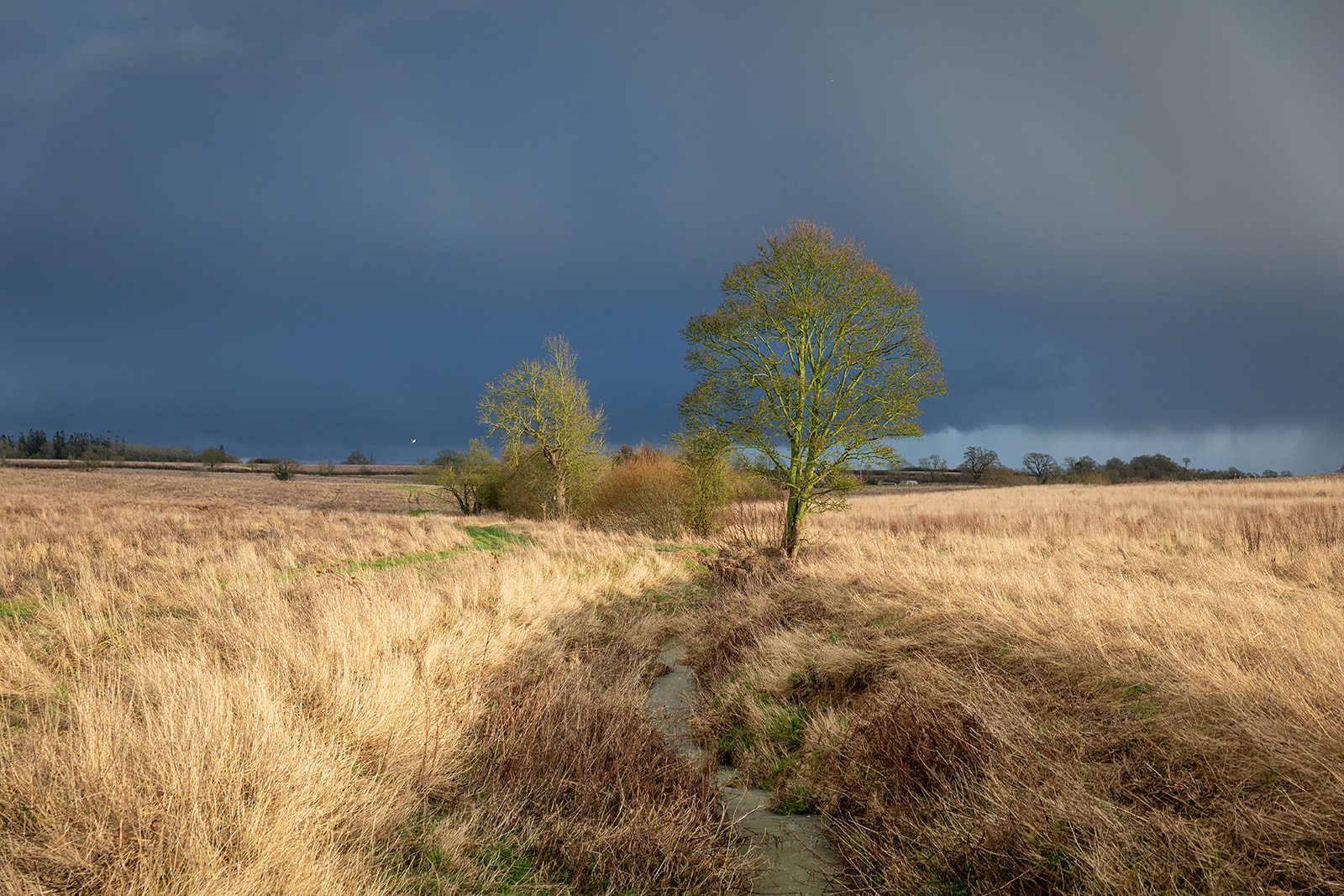
Nature-based solutions have positive impact on climate, biodiversity, and communities. Over $44 trillion of global GDP dependent on nature, ecosystem protection is as much an economic priority as it is an environmental one.
Identify where your operations and supply chains contribute to deforestation, water depletion, soil degradation, pollution, or habitat conversion. Set clear reduction targets and implement improvements such as sustainable sourcing, improved land management, water efficiency, and responsible procurement practices.
Support
that prioritise ecosystem protection, restoration, and regeneration. Select initiatives that demonstrate clear additionality, uphold strong governance and social safeguards, respect Indigenous and community rights, and are structured for long-term ecological resilience and measurable impact.
Define KPIs upfront, use transparent monitoring systems, seek third-party verification where possible, and report progress regularly to demonstrate measurable impact.
Be clear about the projects you support and their impact. If the project delivered verified results, explain what those results were and how they were measured. Avoid undefined claims like “nature-positive” without evidence.
Not all nature-based solutions deliver the same environmental or business value. Earthly’s 2026 CSO survey found that 51% of sustainability leaders say concerns about project credibility are delaying or preventing corporate investment in nature-based projects, underscoring the need for rigorous due diligence when choosing projects.
Look for additionality and permanence:
High-impact projects demonstrate that outcomes would not have occurred without the intervention (additionality) and that benefits, such as restored carbon stocks or biodiversity gains, are likely to endure over time (permanence).
Assess scale and replicability:
Projects that restore or protect large, contiguous landscapes, or that can be expanded or replicated across sourcing regions, typically generate broader ecological and business benefits.
Evaluate social integrity and governance:
Strong projects involve local communities, respect Indigenous and land rights, and include clear governance structures and long-term stewardship plans. Social legitimacy is critical for durability and risk reduction.
Require measurable outcomes and transparent reporting:
Credible projects define clear KPIs, use robust monitoring systems, and provide transparent, verifiable reporting. Where relevant, projects may be independently validated or verified under recognised standards and registries such as Verra (VCS), Gold Standard, or Plan Vivo.
Investing in nature-based solutions is increasingly becoming a strategic business move. Companies that integrate ecosystem protection and restoration into their strategy can unlock measurable benefits:
Risk reduction and resilience:
Healthy ecosystems reduce exposure to physical climate risks. Nature based solutions can therefore lower operational disruption and long-term climate exposure.
Supply chain stability:
Supporting soil health, water systems, and biodiversity within sourcing regions helps reduce volatility in commodity-dependent industries such as food, textiles, forestry, and livestock.
Regulatory preparedness and disclosure alignment:
With frameworks such as the Taskforce on Nature-related Financial Disclosures (TNFD) gaining traction, businesses that proactively manage nature-related risks are better positioned for compliance and investor scrutiny.
Access to capital and investor confidence:
Investors are increasingly assessing climate and nature exposure when allocating capital. Demonstrating credible nature strategies can strengthen ESG performance, reduce perceived risk, and support long-term valuation.
Reputation and market differentiation:
Consumers and business customers are demanding stronger environmental accountability. Companies that move beyond carbon-only strategies and address biodiversity and ecosystem resilience may strengthen brand trust and competitive positioning.
Long-term value creation:
Nature based solutions help businesses operate within planetary boundaries while safeguarding future productivity. Rather than reacting to environmental shocks, companies investing in ecosystem resilience are better positioned for stability and sustained growth.

Restoring ecosystems can generate high-integrity carbon and biodiversity credits when outcomes are rigorously measured and independently verified. Businesses can use these credits to address residual emissions and support nature recovery, while progressing toward net-zero and broader sustainability commitments.
For businesses seeking credible, carefully vetted sustainability opportunities,
provides access to rigorously assessed nature-based solution projects that meet high standards of ecological integrity, measurable impact, and long-term stewardship - helping companies move from sustainability ambition to verifiable action.
At Earthly, we have
over 1,000 nature-based solutions projects globally, and fewer than 10% meet our criteria for ecological integrity, measurable impact, and long-term viability. Only those who pass our assessment are made available to our customers or get added to our marketplace.
Related articles
27.07.2026
Earthly brought together Lorienne Whittle, Rewilding Landscapes Manager at Nattergal ; Siobhan Stewart, Head of Delivery at …
)
08.07.2026
Eight in ten companies reporting on sustainability are now doing it across more than one framework simultaneously …
)
18.06.2026
On 11 June 2026, the Science Based Targets initiative (SBTi) published the final Corporate Net-Zero Standard …